
SPARE A THOUGHT FOR THE CURLEW TODAY
The Curlew is a shorebird and is easily recognised by its long curving bill. As Ireland’s largest wader that is famous for its evocative call, the species is also distinguished by long legs, a bulky grey-brown body with dark streaks, and a long neck.
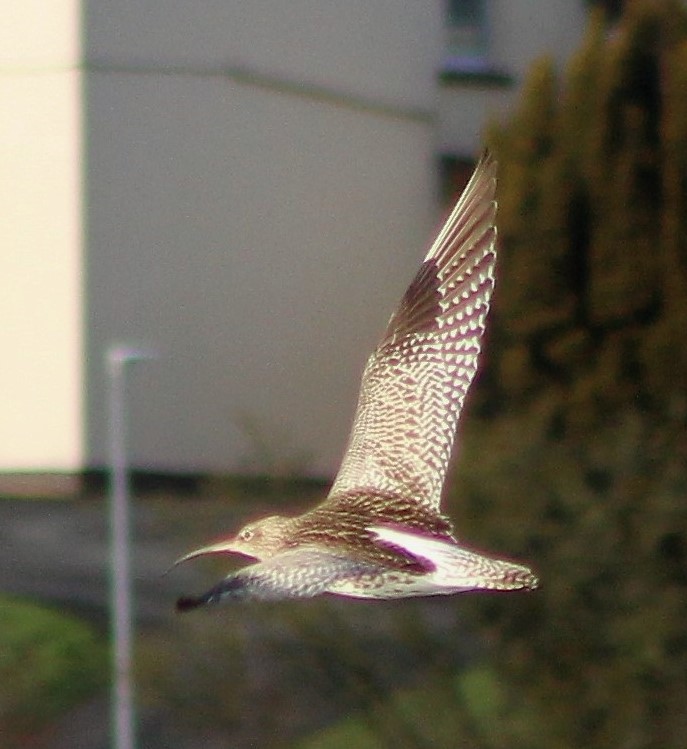
The long, curved beak is perfectly adapted for probing the wetlands, bogs, salt marshes and other watery terrain for food. The curlew feeds mostly on invertebrates and on insects, earthworms and larvae when wintering inland. According to the http://www.birdwatch.ie, numbers and range of the Curlew have declined substantially in recent decades and it is currently on the IUCN Red List of Threatened Species. It is likely that increased afforestation and agricultural intensification are two factors which have contributed to its decline. World Curlew Day raises awareness of curlews everywhere.
There are eight species of curlew worldwide and two are assumed extinct. The Eskimo and the Slender-Billed have not been seen for decades. Out of the remaining six species, there are three that are at risk of extinction – the Eurasian, the Bristle-thighed and the Far Eastern.
Photo: Fearghal Duffy


 Transition Monaghan