BirdWatch Ireland Flies On

OFFERING A WIDE RANGE OF CONSERVATION ACTIVITIES

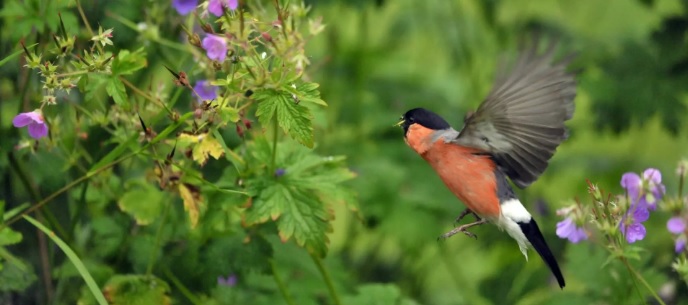
BirdWatch Ireland is the largest independent conservation organisation in Ireland. Established in 1968, this registered charity has in excess of 15,000 members and supporters, as well as a local network of over 30 branches nationwide. If you become a member of BirdWatch Ireland, you’ll receive a glossy quarterly magazine and invites to conservation events all over Ireland. Family membership includes a smaller magazine that’s dedicated to encouraging children to get involved in learning and appreciating nature. Despite the funding challenges posed by Covid, BirdWatch Ireland continues its mission, believing that their work is more vital than ever. This week Dermot McNally takes a look at some of the work going on at BirdWatch Ireland. All images courtesy of BirdWatch Ireland.
Continue reading

Nuclear Energy

SHOULD IT BE CLASSIFIED AS “GREEN” ENERGY?

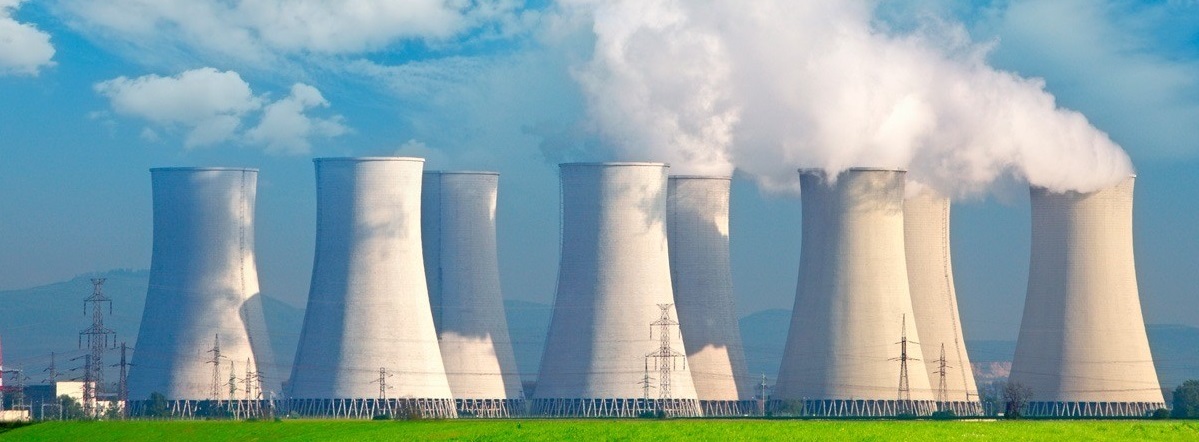
Despite internal disagreement, the EU recently announced that it is proposing to classify energy from nuclear power as green. If a majority of member states back it, it will become EU law in 2023. Dermot McNally takes a look at the arguments involved and the effect this might might have on Ireland.

Continue reading

Magnetoreception

USING MAGNETIC FIELDS FOR ORIENTATION

Magnetoreception is a sense which allows organisms to detect magnetic fields and use them to align themselves. This sensory system is used by a range of animals for orientation and navigation. The idea that animals perceive earth’s magnetic field was once dismissed as impossible by physicists and biologists – they argued that it is much too weak for an organism to detect and there are no biological mechanisms capable of converting magnetic-field information into electrical signals used by the nervous system. Over time, however, evidence showed that animals can perceive magnetic fields. It is now clear that many species utilise information in earth’s magnetic field to guide their movements over distances both large and small. What has remained mysterious is exactly how they do this.

South African Quantum Physicists, Betony Adams and Francesco Petruccione, share some current theories, including how birds use magnetoreception to navigate during long-distance migration. This article first appeared in ‘Quest: Science for South Africa’ in January 2022.

A group of Mute and Whooper Swans photographed in the Ballybay Wetlands. Whooper Swans (Eala Ghlórach) are migratory visitors to Ireland from Iceland, where they nest during the summer months.
Photo credit: Fearghal Duffy.
Continue reading

River Basin Management Plan for Ireland

CURRENTLY OPEN FOR PUBLIC CONSULTATION – HAVE YOUR SAY!

Ireland’s third River Basin Management Plan is currently under development and is open for public consultation. River Basin Management Plans are pivotal tools for the implementation of the EU Water Framework Directive. The Water Framework Directive is European legislation that requires our rivers, lakes, groundwater and coastal water to achieve a healthy state, or what’s known as ‘good ecological status’. Ireland’s first RBMP was published in 2009, the second was published in 2018, and the third RBMP due to cover the period 2022-2027 is in the process of being finalised. But what does all of this mean?

Continue reading

The Afterlife of Trees

THE TREE MAY BE DEAD BUT ITS WOOD STILL SUPPORTS LIFE

“Dead wood provides one of the two or three greatest resources for animal species in a natural forest ecosystem,” says Charles Elton in ‘The Pattern of Animal Communities’. Although it is quite often removed in an effort to keep things tidy and make space for living trees, dead wood is actually a vital element in woodland ecosystems. Wood decomposition is one of a woodland’s essential recycling processes and a natural part of every tree’s lifecycle. Dead and decaying wood also provides a nutrient-rich habitat for fungi, a nursery for beetle larvae and a larder for insectivorous birds and other animals. Incredibly, forests worldwide produce and decompose 150 billion tonnes of wood every year! This article is adapted from an article by the Woodland Trust that can be found on their website (www.woodlandtrust.co.uk).

Continue reading

Advertising

TO WHAT EXTENT IS IT FUELING CLIMATE BREAKDOWN?

It’s well understood that the ever increasing demand for goods and services is fueling climate breakdown. Yet despite this advertisers go to extreme expense to convince us to spend more and more. That’s why activists and campaigners of all kinds are heaping pressure on the advertising industry (and the biggest polluters) to clean up their act. Dermot McNally investigates.

Continue reading

TM Group Meeting Jan 2022

Transition Monaghan held a meeting on 5th January 2022 on ZOOM.

Members in attendance:
Dermot McNally (Chair), Collette McEntee (Treasurer), Floss Moen (Column Editor), Liam Murtagh (SPC Delegate), Eddie O’Gara (SPC Delegate), Niamh Brannigan, Bernie O’Flaherty, Charlie Barker, Emer Brennan and Marty Connolly.

Agenda:
Dermot welcomed attendees and move to invite speakers.

Continue reading

Polar Ice Caps

WHY ARE THEY IMPORTANT AND WHAT’S HAPPENING TO THEM?

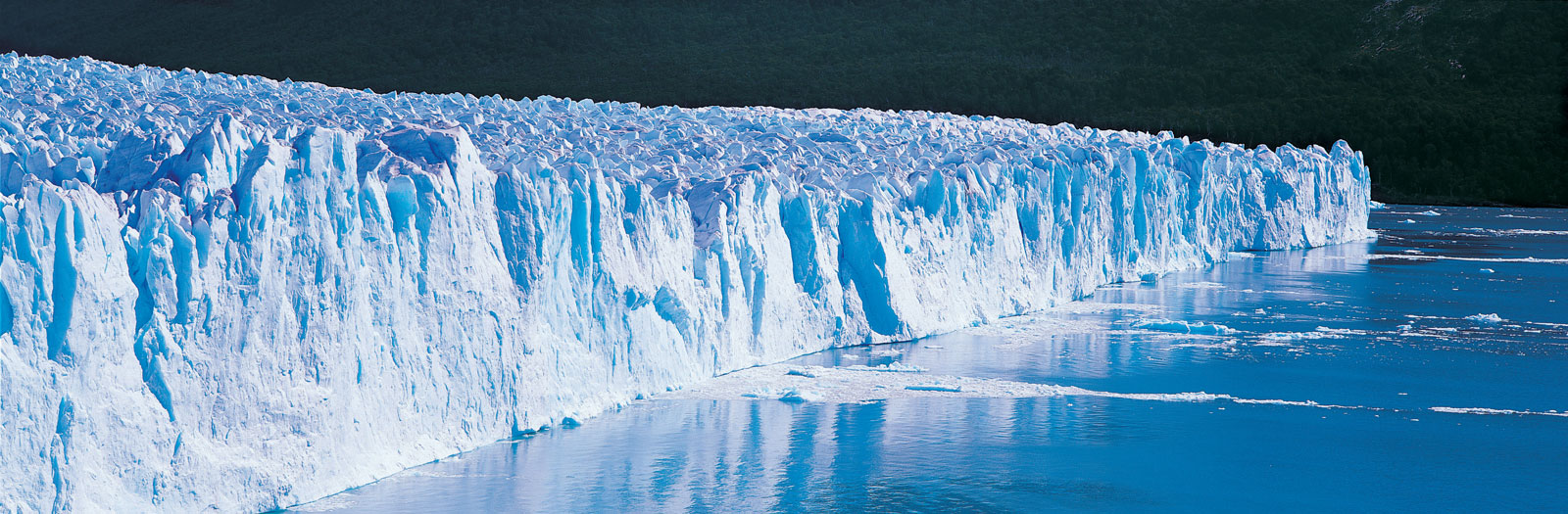
Greenland (near the North Pole) and Antarctica (South Pole) are home to most of the world’s glacial ice, including its only two ice sheets. Glaciers and ice sheets have been appearing in the news quite frequently in the past few years as they are increasingly unstable due to global warming. Just before Christmas it was reported that the Thwaites Glacier in the Antarctic, which is the widest glacier in the world and is sometimes referred to as the ‘Doomsday Glacier’, could collapse in as little as five years. Candice Moen has a closer look at our earth’s ice.

THE HISTORY OF ICE ON EARTH

There have been many ice ages on earth, most of them long before humans made their first appearance. These ice ages would have ranged from “comparatively mild” to “so severe that the entire Earth froze over for tens or even hundreds of millions of years”. Looking back over the history of these ice ages, the planet seems to have three main settings: ‘greenhouse’, when tropical temperatures extend to the poles and there are no ice sheets at all; ‘icehouse’, when there is some permanent ice, although its extent varies greatly; and ‘snowball’, in which the planet’s entire surface is frozen over. During the different greenhouse, icehouse and snowball there was ice present in various different locations across the earth’s surface.

Continue reading

Sustainable Christmas

HOW CAN WE ‘DECK THE HALLS’ WITH LESS IMPACT?

At this time of year, we pour so much of our energy, both physical and mental, into trying to ensure a ‘perfect Christmas’ where we buy the right presents for everyone, we have the house beautifully decorated (and tidied!) and have wonderful food and drinks available for friends and family. It can be exhausting. Christmas has become “the biggest annual festival of consumption around the globe”, and has reached the point where this excessive consumption is “not just normal, it’s positively encouraged” [Jen Gale]. So, how can we reduce our impact without losing any of the spirit and joy of this special time of year? Niamh Brannigan and Candice Moen ‘unwrap’ the situation.

Continue reading

Climate Action Plan

WILL WE BE LEADERS OR LAGGARDS IN IMPLEMENTING IT?

Ireland has been described in recent years as a ‘climate laggard’ because of our country’s failure to meet commitments on EU greenhouse gas emissions reduction targets. Recently the Irish Government launched its new Climate Action Plan. It sets out how all of us in this country will play our part in the global effort to keep global warming to less than 1.5°C.Scientists say that warming above this level will increase the risk of climate chaos and significant suffering for humanity. Liam Murtagh sets out the key elements of Ireland’s Climate Action Plan and considers what is needed to ensure that the plan is implemented successfully.

Continue reading