
‘Feeding the ducks’ with leftover bread has been a traditional pastime for generations. Recently, wildlife conservationists in the UK have started a campaign against this seemingly harmless practice. Jennifer Mc Aree of Transition Monaghan looked into why the campaign was launched and if we really have to stop feeding ducks altogether.
 Feeding the ducks (and swans) is familiar to us all Source: Jennifer Mc Aree
We’re all familiar with the idyllic scene. Families at the lakeside tearing up bits of stale bread and throwing them into the water, watching while excited ducks swoop in and gobble up the pieces with their little beaks in a flash. It’s that seemingly innocent pastime we have all enjoyed at some point in our lives, especially as children.
In recent times however conservationists have been striving to warn the public that such well-intentioned activity is not so harmless after all. The UK’s Canal and River Trust launched a campaign twelve months ago pleading with people not to feed ducks bread. They reported that in England and Wales alone, 6 million loaves were fed to ducks in 2014. To date the Trust has made great progress, with an estimated 80,000 less loaves being chucked into lakes and rivers, but they are still struggling to spread the message.
Bread is like junk food for ducks. It’s the equivalent of us humans feasting on greasy takeaways from the chip shop every day. Birds are not wired to eat bread on a regular basis (many would argue that people aren’t either, especially the white variety – but that’s a topic for another day). Bread is devoid of the nutrients ducks and other bird species can obtain from their regular diet. It fills them up quickly and because it is so plentiful, overpopulation has become an issue in certain areas. Bread causes ducks to gain weight quickly and easily and discourages them to search for their own natural food sources. Excessive bread intake over time can also stimulate the onset of a horrible condition called ‘angel wing’, leading to deformity of the birds’ wings and affecting their ability to fly.
Ducks and other waterfowl such as swans and waterhens often defecate in the area where they are fed and uneaten food can drift to the edges or base of lakes. Thus, bacteria can build up rapidly, incubating diseases for birds and fish, causing algal blooms and attracting rats. Wet, uneaten bread also supports a mould called aspergillus. If this enters birds’ lungs it can prove fatal.
The good news is that we don’t have to stop feeding ducks completely! But we must change the type and quantity of food we give them and where. Conservationists recommend moving around the lake/river/canal and feeding the birds at different points, while limiting food to small amounts. The following list suggests what is safe for ducks to eat:
- Oats, wheat or barley
- Defrosted peas
- Cracked corn
- Rice (cooked or uncooked)
- Birdseed
- Grapes
- Earthworms/mealworms
- Chopped lettuce or other greens/salad mixes
- Chopped vegetable trimmings or peels
- Duck pellets
Here’s what you should avoid feeding ducks (most of which we should steer clear of too!):
- Bread
- Chips
- Crackers and biscuits
- Popcorn
- Sugary food – sweets, chocolate
So, feeding the ducks is fine when we follow a few simple guidelines. Bonding with nature is a good thing and should be encouraged from a young age if we are to appreciate and conserve all the wonderful wildlife we still have. In this relentlessly busy digital world we now inhabit, it is a simple way to relax and take stock.
*Did you know? Mallard ducks are the most common duck species in Ireland. They are present all year round, but come to winter here in greater numbers from Iceland, Scandinavia and other parts of Northern Europe. The male (drake) is the more glamorous of the two sexes with his green head, bright yellow beak and multi-coloured feathers. During the summer moult however his colours tend to fade. The female (hen) is dowdier, with mottled brown feathers. She tends to be louder than her male counterpart however, and makes the famous ‘quack’, while he has a softer call. (No sarcastic comments here please).
April events can be found here

 ed to come into effect in July this year. This new system has a higher charge per kg of waste destined for landfill, with lower charges for compostable and recyclable waste. This is designed to increase recycling rates and reduce the amount of waste being sent to landfill, however, there are concerns that the increased bill for those who refuse to change their ways could result in increased cases of illegal dumping.
 celebrate trees. To be part of ESB Tree Week, the Tree Council of Ireland invites individuals and groups to organise one or more events for the week. Tree Week runs from Sunday, 6 March until Sunday, 13 March and is sponsored by the ESB in association with Coillte.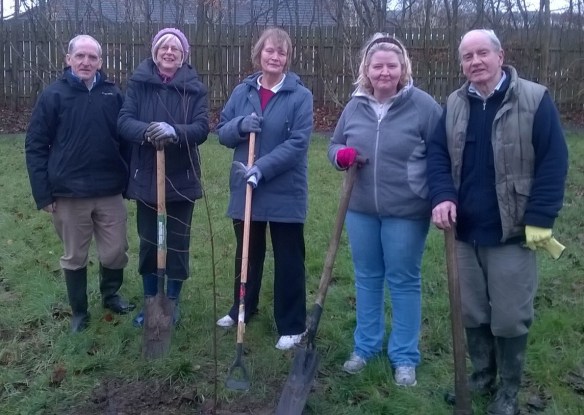
 overlooked by all the main parties as well as the mainstream media” This view of the treatment of the climate issue in the election debates up to this week was voiced by An Taisce’s spokesperson John Gibbons. This week we focus on his views and also on how some other environmentalists view the election.
  Transition Monaghan