‘Low Energy Home’ Event April 2015

Members of the public were being invited to an event entitled ‘Your Cost Efficient Home’ which was held in the Market House, Monaghan on Saturday, 25 April 2015. The focus was on how to reduce your energy, water and waste bills. There were two key note presentations by experts in the area of low energy in the home – Michael Hanratty of Energy Action and Frank Cooney of Cooney Architects. The presentations were followed by workshops on Heating / Insulation, Electricity, Composting and Water and were ran by Jennifer McAree, Ollan Herr, Michael Connolly and Barry Mc Carron respectively.

Continue reading

Living Sustainably

After the recent extreme weather events experienced here and in Britain there is now a lot of focus on the need for all of us to live more sustainably so that we don’t have runaway climate change and other ecological and social catastrophes. Sustainable living involves finding the right balance between utilising resources and protecting the planet. Some of the key elements of sustainable living involves reducing our carbon footprint and this has implications for many aspects of our lives including   what we eat, the energy we use to heat our homes, our means of travel etc.  There are many training course and initiatives in which we can participate that will give us skills to live more sustainably. This week we look at some of these in Ireland.

Continue reading

Permaculture Course: June 2014

The beautiful Ballybay Wetlands Centre provided a very suitable location for a weekend of discussions and workshops on living sustainably. The sun shone on the drumlins surrounding the Dromore River, and the birds gently tweeted as Marella Fyffe, from Omagh Co. Tyrone, led Transition Monaghan’s weekend workshop on Sustainable Living Skills / Permaculture.

Participants of  the Permaculture Course at  the sunny Wetlands Centre

Continue reading

Potential of small biogas plants to produce energy and compost

We have a renewable energy source which is largely untapped in Ireland.  Anaerobic Digestion (AD) is a great story to tell.  It takes slurry and surplus agri waste as well as certain types of waste currently sent to landfill and turns it into renewable energy. It also produces an organic fertiliser. The technology is proven and widely used across Europe.  Here are some questions and answers about AD and its potential use in Ireland.

Continue reading

Climate Justice Begins at Home

MEG member Liam Murtagh went along recently to a special seminar entitled ‘Climate Justice begins at Home’ – an event held to coincide with the Mary Robinson Foundation’s international conference in Dublin, ‘Hunger – Nutrition – Climate Justice 2013’   The seminar was organised by Friends of the Earth and Food Sovereignty Ireland.    

FOE

Cecilia Kibe from Kenya was just one of the many grassroots community members from the developing world who had travelled to the Dublin conference to represent their communities.  The conference aimed to focus the eyes of the world and in particular the attention of decision makers on the injustice of climate change – a situation in which the people who have not caused climate change are the ones who are suffering the most from its effects. At the seminar Cecilia described how climate change is being primarily caused by the burning of fossil coal and oil in the developed world and that it is setting back the efforts to address the Millenium Development Goals in the developing world. She outlined the impact of droughts on food production in East Africa and also the effects of land erosion which happens in certain areas when there are downpours following long periods of drought.

Continue reading

Local Exchange Trading Scheme to Boost Local Trade & Resilience

Local Exchange Trading Scheme to Boost Local Trade & Resilience

 
Monaghan Ecological Group is working with local organisation, LETS TRADA to develop a Local Exchange Trading Scheme in Clones. Such a scheme would encourage local trade, keep people in work and contribute to building a resilient community. Mícheál Callaghan in discussion with Ciarán Fitzpatrick examines how this scheme will work and the benefits that it will bring to the Clones area.
 
Image The new logo for LETS Trada, Local Exchange Trading Scheme


Continue reading

The Power of Local Food: 2013

Image

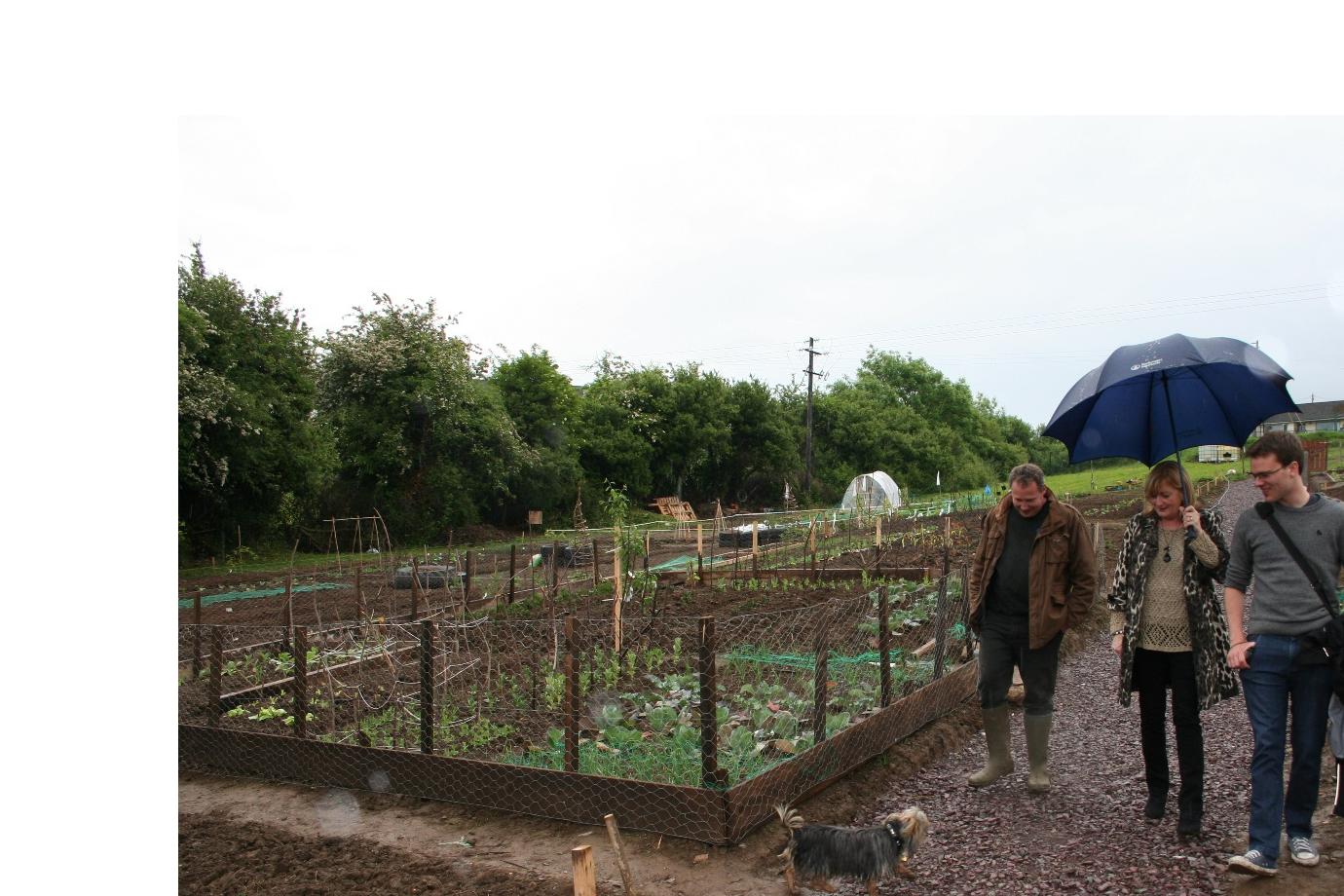
Michal O Hare, Monaghan Allotment Society; Verona McGettigan, Ballinode Tidy Towns, Mícheál Callaghan, MEG; on a recent visit to the newly developed allotments at Killygoan, Monaghan.

On a recent visit to the new allotments at Killygoan, Monaghan, Mícheál Callaghan of MEG, saw first hand the positive impact local food projects can have on local communities.

Continue reading

Successful evening at “Celebrating Transition” (Aug 2013)

Image

L – R: Liam Murtagh, Monaghan Ecological Group Committee Member, Mícheál Callaghan, co – founder, Davie Philip, Cultivate (Guest Speaker). Photo by Amie Hynes Fitzpatrick.

Over fifty people from across County Monaghan, and further afield, gathered, on Friday 23 August, in Ballybay Wetlands Centre for “Celebrating Transition”, a social & networking evening organised by Monaghan Ecological Group. Attendees, who represented a wide range of organisations, discussed and shared ideas, participated in informative break – out sessions and enjoyed a locally sourced buffet. The goal of the evening was to introduce people to the work and ethos of Monaghan Ecological Group, bring together local organisations and individuals working in the area of local sustainability and create a platform from which to build a strong movement for a positive, resilient future for County Monaghan.


Continue reading

Monaghan Ecological Group in Action on Local and International Front

One hundred young activists from across Europe, USA, Canada and Nigeria gathered recently in Lofoten, Norway, to exchange skills, motivate each other and support the local community in their campaign to prevent oil drilling off the stunningly beautiful Lofoten coast. Their message was clear – ‘keep the oil in the soil!’ Mícheál Callaghan, of Monaghan Ecological Group attended the event and reflects on what was an inspiring week at the Young Friends of the Earth gathering in the Arctic Circle.

Norway

Some of the participants of the recent Young Friends of the Earth Europe Summer Camp in Lofoten, Norway, carrying  the banner “No Oil In The Arctic”. Included in this picture is Mícheál Callaghan, co – founder of Monaghan Ecological Group.

The various participants, all of whom are involved are involved in different projects and actions in their home countries, are united by one goal, that of a fossil free, positive future for the planet and its citizens. Norway, a country of just over 5 million people, contributes 2 per cent of global carbon emissions from its large oil industry.

As well as partaking in a variety of skill sharing and planning workshops, participants heard inspiring stories from committed activists in their struggles against the powerful fossil fuel industry. Environmental Rights Action, from Nigeria, spoke of the mass violations of human rights and environmental laws caused by the fossil fuel industry’s exploitation of natural resources in Nigeria. Despite having the 31st highest GDP in the world, Nigerians have a life expectancy of only 47 years. The oil industry there is huge, with locals seeing few of the benefits. Due to corruption, a lack of education and extreme poverty, companies pay little attention to regulations, many of which are not enforced, leading to serious environmental damage. Participants were told how Nigeria loses 500,000 barrels of oil per day in spills, equivalent to 1 Exxon Valdez per year.

Nnimo Bassey, former chair of Friends of the Earth International, gave an emotional and rousing speech on Friday evening. He recalled fondly, a recent visit to Ireland, where he was impressed by the actions of the local communities in Rossport and Leitrim who are engaged in campaigns to stop gas extraction and fracking. Bassey stated that given the present knowledge and gravity of the climate situation, a new drill site is akin to a crime scene and must be seen as a crime against nature and the planet.

While some may be critical of the long journeys participants had to take in order to reach Lofoten, overall the benefit outweighed the negatives in terms of the motivation generated and networks created throughout the week.  It was great to see and be part of a growing movement of young people from around the world, who are committed to taking action at every level to avoid the worst case scenario of climate change and secure a better future. I left the camp with new ideas, insights and a lot of inspiration, that just maybe, with collective action, it might be possible to take on the giants of the fossil fuel industry!

To read more about the summer camp and the work of Friends of the Earth Europe go to www.foeeurope.org.  If you would like to contribute to a more positive, low carbon future for Monaghan, why not get involved with Monaghan Ecological Group? Look us up on Facebook or contact monecogroup@gmail.com